Waste Reduction as the Core of Meal Prep Savings
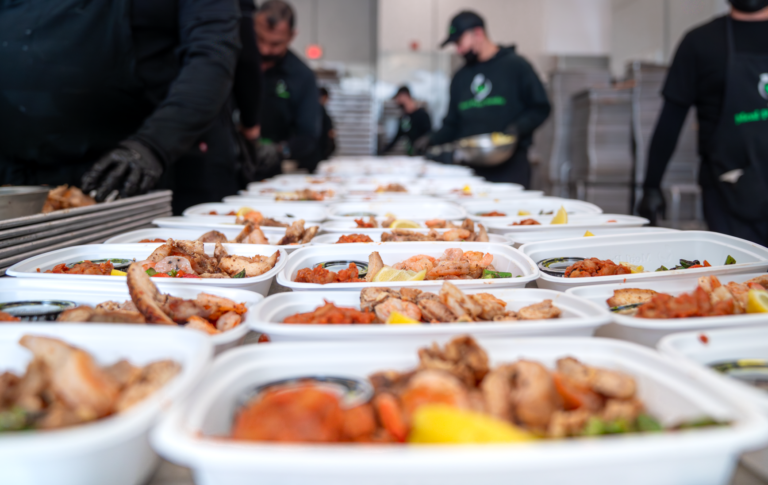
One of the most important benefits of structured meal prep is waste reduction. Because meals arrive fully portioned, users avoid overbuying and unused ingredients.
As a result, this creates direct financial efficiency. Every dollar spent goes toward consumption instead of spoilage or excess. Over time, this improves both weekly and monthly affordable meal prep outcomes compared to grocery-based systems.
Additionally, waste reduction improves simplicity. Users no longer need to manage leftovers or adjust meals based on missing ingredients. Therefore, consistency strengthens long-term savings behavior.
Time Efficiency in Meal Prep Nutrition Systems
Time also plays a major role in affordable meal prep, even though most people overlook it. Cooking requires planning, shopping, prepping, cooking, and cleaning every week.
However, a structured system removes all of that work. Meals arrive ready to eat, which saves several hours weekly.
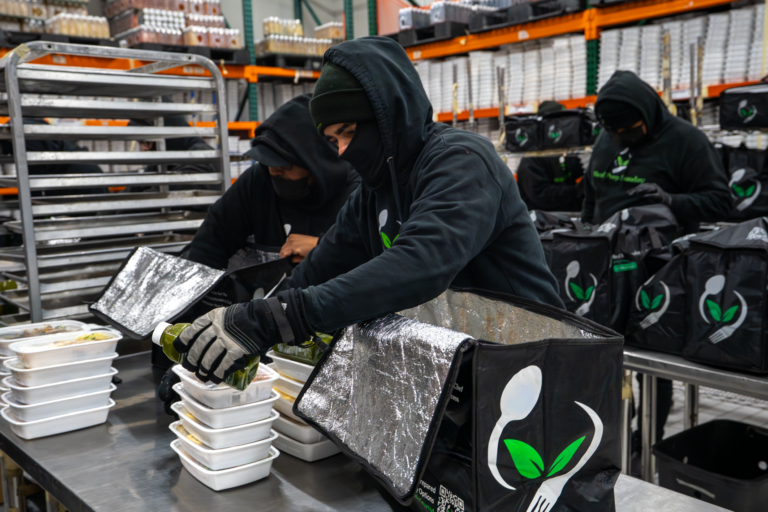
To support this efficiency, Meal Prep Sunday provides structured meal prep delivery options so users maintain consistency without adding preparation time.
As a result, time savings create indirect financial benefits. Users can redirect that time toward work, training, recovery, or rest, which improves overall life efficiency.
Decision Fatigue and Its Hidden Cost on Affordability & Savings
Another important factor is decision fatigue, which directly affects affordable meal prep and nutrition. Without structure, people make multiple food decisions daily, which often leads to inconsistency.
Over time, stress, fatigue, or lack of planning leads to impulse food purchases. Consequently, these decisions increase spending and reduce nutritional consistency.
However, a structured meal prep system removes this burden. Meals arrive pre-planned and portioned, which eliminates daily decision-making. Therefore, this stability reduces unnecessary spending and improves long-term consistency.
Comparing Grocery, Dining, and Structured Meal Prep Systems
When comparing systems, grocery cooking appears cheaper at first. However, it introduces waste, time loss, and inconsistency. Meanwhile, dining out increases spending and removes control entirely.
In contrast, structured meal prep creates a controlled system. It eliminates waste, stabilizes time investment, and removes decision fatigue. Therefore, this leads to more predictable and affordable meal prep over time.
Ultimately, the key difference is not price per meal—it is system efficiency.
Why Consistency Drives True Savings
Consistency plays a critical role in both financial stability and physical results. Without it, people restart diets, waste groceries, and overspend on convenience food.
Each restart cycle increases cost and reduces progress. However, a structured system removes this cycle. Instead of restarting, users maintain consistent habits that support long-term results.
As a result, this creates stable and affordable meal prep over time, both financially and behaviorally.
Real-Life Application in Southern California
In regions like Irvine, Oceanside, Riverside, and San Diego, maintaining structured nutrition is challenging. Busy schedules, commuting, and active lifestyles often interrupt consistency.
However, a structured meal prep system removes this friction. Meals arrive ready to eat, so users avoid planning and preparation entirely.
To better understand this system, visit the About Us page which explains how Meal Prep Sunday removes barriers and builds long-term consistency that supports real affordable meal prep.
Nutrition Beyond Meals: Supporting Systems That Enhance Results
In addition, nutrition does not stop with meals alone. Functional support improves energy, recovery, and consistency throughout the week.
Meal Prep Sunday integrates:
Cold-Pressed Juices for hydration and nutrients
Fat-Burning Shots for metabolism and energy support
Together, these products strengthen overall affordable meal prep by improving adherence and performance consistency.
Why Real Affordable Meal Prep Comes From Systems
Ultimately, true affordable meal prep does not come from the lowest price option. Instead, it comes from the most efficient system.
For example, grocery cooking creates waste and inconsistency. Meanwhile, dining out increases cost and reduces control. Both approaches introduce inefficiencies that grow over time.
In contrast, a structured meal prep system removes those inefficiencies. It replaces waste with precision, decisions with structure, and inconsistency with repeatable habits.
Therefore, this is where real savings come from—not only financially, but also in time and long-term results.
Final Perspective: Smarter Meal Prep Nutrition
In conclusion, the smartest approach to nutrition does not focus only on lowering cost. Instead, it focuses on improving efficiency per dollar spent.
When nutrition becomes structured, people stop reacting to daily decisions. Instead, they follow a system designed for outcomes. As a result, this improves consistency, reduces stress, and strengthens long-term results.
Ultimately, Meal Prep Sunday aligns affordable meal prep with structure, making healthy eating more predictable, efficient, and sustainable.
Keep Up the Momentum!