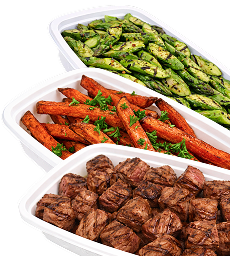
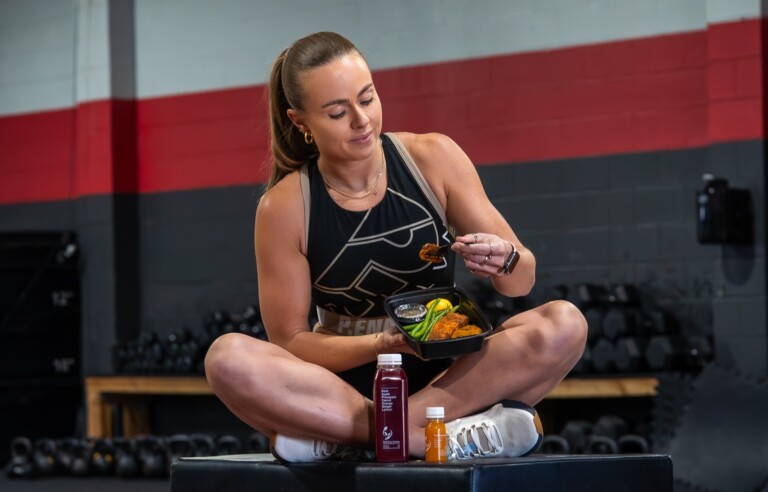
Home food delivery has changed the way people approach nutrition. Instead of spending hours shopping, cooking, portioning meals, and cleaning afterward, individuals can now have prepared meals delivered directly to their doorstep. For busy professionals, parents, students, and fitness-focused individuals, this convenience removes many of the obstacles that make healthy eating difficult to maintain.
However, convenience alone is not what makes home food delivery valuable.
Most people already understand the basics of healthy eating. They know protein supports recovery, vegetables provide important nutrients, and balanced meals support long-term health. The challenge is rarely a lack of information. The challenge is maintaining those habits consistently when schedules become unpredictable.
For individuals pursuing fat loss, muscle maintenance, improved recovery, or better overall performance, home food delivery works best when it combines accessibility with structure. Across San Diego, Los Angeles, Orange County, and Riverside, more consumers are looking for solutions that save time while helping them stay aligned with their fitness goals.
Why Home Food Delivery Continues to Grow
The growth of home food delivery reflects a larger shift in how people manage their time and priorities.
Modern schedules leave little room for meal planning and preparation. Work responsibilities, family commitments, commuting, social obligations, and training sessions often compete for the same limited hours in the day. Nutrition frequently becomes one of the first areas to lose consistency because it requires repeated effort every single week.
Home food delivery helps solve this problem by reducing the number of steps between intention and execution. Every additional task—planning meals, building grocery lists, shopping, cooking, portioning food, and cleaning dishes—creates another opportunity for healthy habits to break down.
While each responsibility may seem manageable on its own, the combined workload often becomes difficult to sustain over months or years. Home food delivery shortens the gap between wanting to eat well and actually doing it.
Instead of spending hours every week preparing food, individuals can redirect that time toward work, family, recovery, and training while maintaining access to prepared nutrition that supports their goals.
Convenience Only Solves Part of the Problem
Convenience matters, but convenience by itself does not guarantee better nutritional outcomes.
Many prepared food options still leave consumers guessing about portions, ingredient quality, or how meals fit into their goals. Others prioritize menu variety and restaurant-style experiences without providing the structure required for long-term consistency.
For fitness-focused individuals, convenience works best when it supports a larger nutritional framework.
A meal should not simply save time. It should contribute to recovery, energy management, body composition goals, and overall performance. This distinction becomes increasingly important because most nutrition challenges do not happen when people feel motivated and prepared. They happen when schedules become unpredictable and healthier choices become less accessible.
A structured home food delivery system helps reduce those situations before they occur by ensuring that the easier option is also the better option.
Why Convenience Impacts Fitness Results More Than People Realize
Many people view convenience as a luxury. In reality, convenience often determines whether a nutrition plan survives everyday life.
Most nutrition failures occur during moments of friction. A meeting runs late. Traffic extends a commute. A workout finishes later than expected. Family responsibilities suddenly take priority. In these moments, people rarely abandon their goals intentionally. Instead, they choose whatever option requires the least effort and is immediately available.
This is why accessibility plays such a powerful role in long-term nutrition success.
When healthy meals are immediately available, individuals are more likely to stay aligned with their goals. When meals require additional shopping, preparation, or cooking, consistency often begins to decline.
From a behavioral perspective, convenience is not the reward. It is the mechanism that makes healthier decisions easier to repeat.
The easier a habit becomes to execute, the more likely it is to become part of a sustainable routine.
Why Ready-to-Eat Meals Fit Busy Fitness Lifestyles
One of the greatest advantages of home food delivery is immediate accessibility.
Ready-to-eat meals eliminate the preparation barrier that often pushes people toward takeout, fast food, or skipped meals. When nutritious food is already prepared and available, making a better decision requires significantly less effort.
This becomes especially valuable for fitness clients.
Training schedules frequently create situations where meals need to be convenient without sacrificing nutritional quality. Someone leaving the gym before work may not have time to prepare breakfast. Another individual may return home late in the evening with little desire to cook dinner from scratch after a long day.
Ready-to-eat meals solve these situations by providing immediate access to structured nutrition.
They also create predictability. Instead of wondering what to eat after a demanding day, individuals already have meals available that align with their goals. Over time, that predictability becomes one of the strongest contributors to long-term consistency.
The Role of Consistency in Fitness Results
Most fitness results are cumulative.
The body responds to patterns repeated over weeks and months rather than isolated efforts. A single workout has little impact on long-term progress, just as one healthy meal rarely changes body composition. What matters is whether those behaviors can be repeated consistently.
Nutrition often becomes the limiting factor because it requires multiple successful decisions every day. Individuals must decide what to eat, when to eat, how much to eat, and whether those choices support their goals.
As decision-making becomes more difficult, consistency often suffers.
Home food delivery reduces many of these obstacles by making the desired behavior easier to execute. Instead of relying on motivation repeatedly, individuals rely on a system that supports consistency by default.
This shift from motivation to systems often separates temporary efforts from sustainable results.
Why Fitness-Focused Meals Are Different
Not all prepared meals serve the same purpose.
Restaurant-style meal delivery often prioritizes flavor variety and broad appeal. While those factors certainly matter, fitness-focused nutrition requires additional considerations.
Protein supports muscle repair and recovery. Carbohydrates help fuel workouts and daily activity. Fats support hormone function and long-term energy balance. Portion control influences calorie intake and overall consistency.
When meals are designed around these principles, they become more than a source of convenience. They become part of a broader strategy that supports performance and body composition goals.
For active individuals, this distinction matters because the goal is not simply to eat prepared food. The goal is to eat food that actively supports the outcome they are working toward.
Why Recovery Nutrition Is Often Overlooked
Many fitness clients place tremendous emphasis on training while underestimating the role nutrition plays in recovery.
Workouts create the stimulus for change, but recovery is where adaptation actually occurs. Protein supports muscle repair, carbohydrates replenish energy stores, and consistent nutrition prepares the body for future training sessions.
When meals become inconsistent, recovery often becomes inconsistent as well.
Energy levels may fluctuate. Training quality can decline. Progress may slow despite continued effort inside the gym.
This is one reason meal accessibility matters so much.
Ready-to-eat meal delivery helps reduce interruptions in recovery nutrition by ensuring meals remain available after training and throughout the week. Instead of relying on convenience foods that may not align with fitness goals, individuals can maintain a stronger nutritional foundation.
How Home Food Delivery Reduces Decision Fatigue
One of the most overlooked benefits of meal delivery is its ability to reduce decision fatigue.
Every day, people make countless choices. As those decisions accumulate, mental energy decreases. Nutrition often suffers because food choices become more difficult when people feel tired, stressed, or overwhelmed.
This explains why many individuals struggle to maintain healthy eating habits despite understanding what they should be doing.
Home food delivery removes many of those daily decisions.
Meals are already prepared. Portions are already established. Preparation has already been completed.
This allows individuals to conserve mental energy while maintaining healthier habits. Over time, reducing decision fatigue can significantly improve consistency because fewer opportunities exist for impulsive or reactive food choices.
Freshness Matters in Prepared Meals
Freshness influences much more than flavor alone.
It affects texture, meal satisfaction, perceived quality, and long-term engagement with a nutrition system. When meals maintain their quality throughout the week, individuals are more likely to continue using them consistently.
If freshness declines after only a few days, people often begin supplementing with other foods, which can weaken the overall system.
This is why freshness preservation has become increasingly important within prepared meal services.
Techniques such as refrigerated transportation, temperature-controlled delivery, and Modified Atmosphere Packaging (MAP) help maintain food quality after preparation. These systems preserve flavor, texture, and ingredient integrity while extending freshness without relying entirely on freezing.
For consumers, this means meals remain enjoyable throughout the week rather than feeling like a compromise made for convenience.
Why Fitness Clients Benefit From More Than Just Meals
For many people, food is only one piece of the fitness equation.
Nutrition works most effectively when it aligns with training, recovery, hydration, sleep, and daily activity habits. This is why many fitness-focused consumers seek more than meal delivery alone. They want a system that supports broader goals rather than simply providing food.
When nutrition and training work together, healthy habits begin reinforcing one another.
Meals support recovery. Training provides direction. Progress creates momentum.
Over time, these behaviors become easier to maintain because they operate as part of the same system rather than separate efforts competing for attention.
How Meal Prep Sunday Approaches Home Food Delivery
Meal Prep Sunday was built around the idea that home food delivery should support both convenience and results.
Meals arrive fully prepared and ready to eat, eliminating much of the time commitment associated with grocery shopping, cooking, and meal preparation. At the same time, meals are designed around fitness-focused nutritional principles that support consistency, recovery, and long-term adherence.
Fresh refrigerated meals, macro-conscious meal design, chef-crafted preparation, nutritionist oversight, and MAP freshness technology work together to create a higher level of quality and consistency.
Beyond meals, clients gain access to fitness tools designed to align nutrition with training and lifestyle goals. This integrated approach creates a complete system rather than a standalone food delivery service.
For individuals throughout San Diego, Los Angeles, Orange County, and Riverside, this approach offers a practical way to simplify nutrition while maintaining focus on long-term fitness outcomes.
Building Results Through Better Systems
Most people do not need more nutrition information.
They need a system that makes applying that information easier.
Home food delivery helps remove common barriers such as time constraints, inconsistent meal preparation, and daily decision fatigue. When combined with fitness-focused nutrition, it becomes a powerful tool for improving consistency and supporting long-term results.
The strongest nutrition systems make healthy choices easier to repeat. They reduce friction, improve adherence, and fit naturally into everyday life.
That is ultimately what drives meaningful fitness progress—not perfection, but the ability to maintain better habits consistently over time.