Whether your goal is fat loss, muscle recovery, or consistent energy, the way your food is stored plays a much bigger role than most people realize. While ingredients and cooking methods often get the spotlight, packaging is what determines whether those nutrients actually reach your body intact.
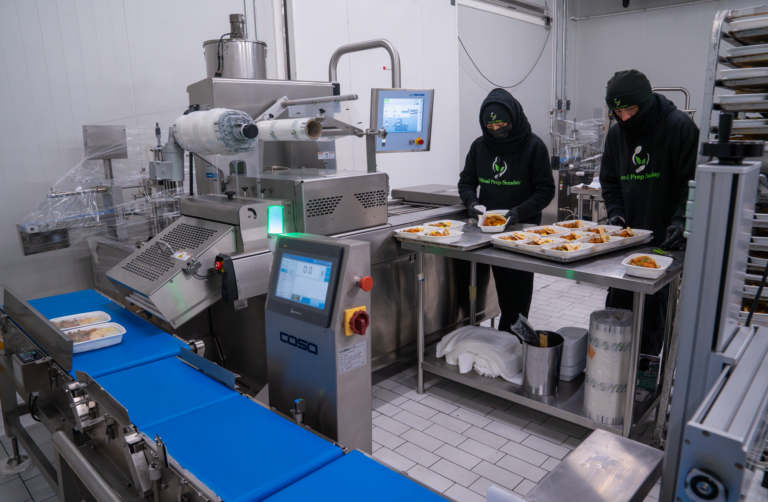
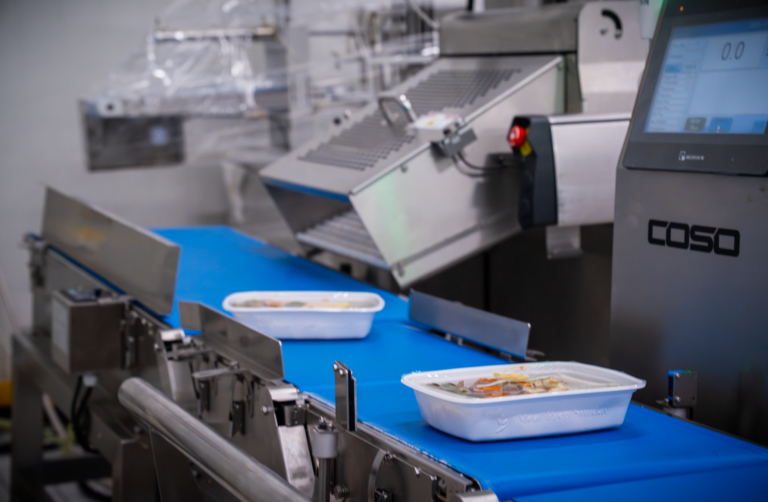
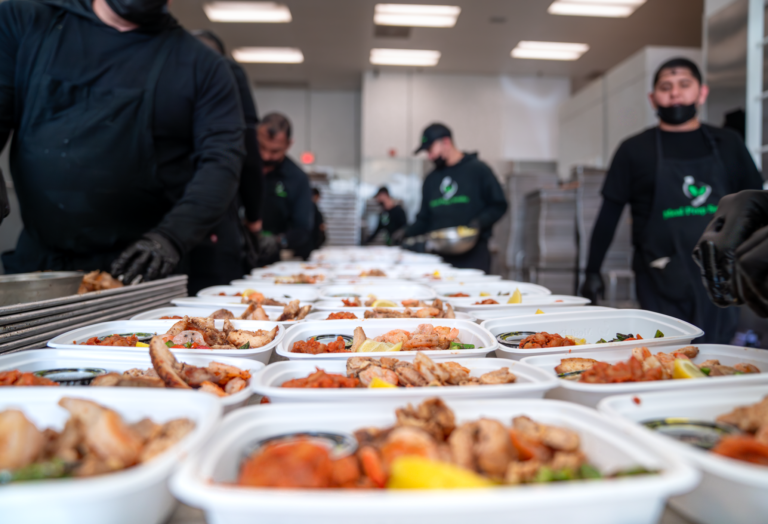
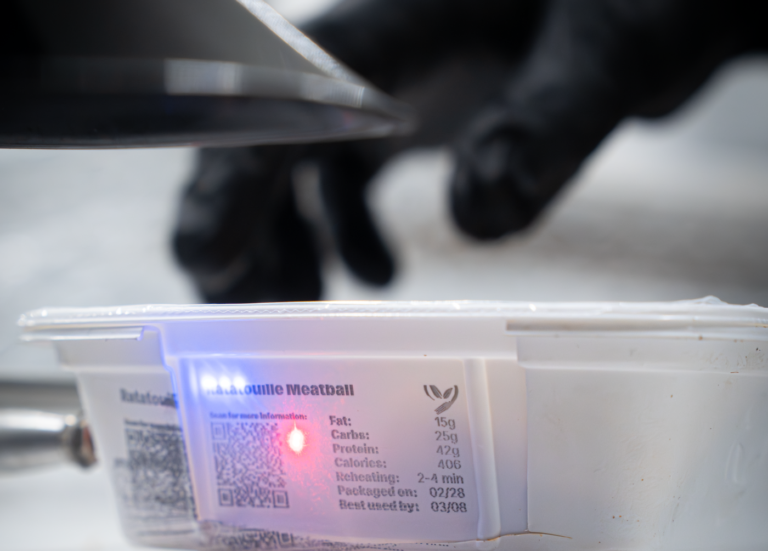
At Meal Prep Sunday, MAP (Modified Atmosphere Packaging) technology provides the foundation for freshness, safety, and performance. When paired with cold-pressed juices, supplements, and nutritionist-designed meals, it creates a complete system that simplifies healthy eating while protecting both flavor and nutrients.
For individuals looking to stay consistent with their nutrition, understanding the science behind meal prep containers can completely change how they approach food.
How MAP Packaging Protects Nutrients
To begin with, most food degradation starts with one key factor: oxygen exposure. When oxygen interacts with food, it triggers a process called oxidation. Over time, oxidation breaks down proteins, degrades vitamins, and destabilizes fats. As a result, food loses not only freshness, but also nutritional value.
However, MAP meal prep containers solve this problem at the source. Instead of allowing oxygen to remain inside the container, the system replaces it with a precisely controlled mix of food-safe gases, typically nitrogen and carbon dioxide.
Because nitrogen is an inert gas, it does not react with food. Meanwhile, carbon dioxide helps slow the growth of bacteria. Together, these gases create an environment where:
- Oxidation slows significantly
- Microbial growth is reduced
- Moisture is retained
- Nutrients remain stable
Consequently, meals maintain their intended quality for several days without relying on preservatives or freezing.
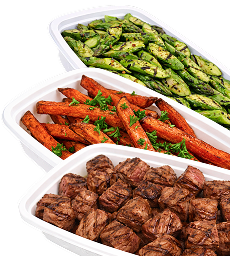
For example, in traditional containers, cooked chicken often becomes dry because oxygen pulls moisture away from the protein structure. Similarly, vegetables lose color and texture as cell walls break down. In contrast, MAP packaging stabilizes that environment, allowing food to stay closer to its original cooked state.
Why Freshness Matters for Performance
While freshness might seem like a preference, it actually plays a direct role in physical performance and recovery. Nutrient degradation doesn’t just affect taste — it impacts how your body uses food.
For instance, when proteins oxidize, their amino acid structure begins to weaken. This makes them less effective for muscle repair. Likewise, when vitamins degrade, the body loses access to key micronutrients that support metabolism and energy production.
As a result, even if calories and macros appear the same on paper, the actual performance outcome can differ significantly depending on freshness.
Fresh, properly preserved meals help:
- Improve recovery by maintaining complete protein structures
- Stabilize energy levels through intact carbohydrates and fats
- Support metabolism with preserved vitamins and minerals
- Increase consistency by making meals more enjoyable to eat
Over time, these small advantages compound. Instead of experiencing mid-week drop-offs in quality, individuals maintain the same level of nutrition from day one through day seven.
The Mechanics Behind the Container
Beyond the gas composition, the physical design of MAP meal prep containers plays a critical role. Every component works together to create a controlled micro-environment for the food.
First, the airtight seal prevents outside air from entering. This ensures that oxygen levels remain low throughout storage. Next, the internal gas balance maintains proper humidity, which is essential for preserving texture in foods like rice, vegetables, and proteins.
Additionally, the materials used in the container matter. BPA-free, food-safe plastics are selected not only for safety, but also for their ability to maintain structural integrity under temperature changes. This allows meals to move from refrigeration to reheating without compromising quality.
Another important factor is pressure stability. Because MAP containers are sealed under controlled conditions, they minimize internal fluctuations that can otherwise cause condensation or dryness. As a result, meals avoid the common issues seen in standard packaging, such as soggy vegetables or hardened grains.
Altogether, this system doesn’t just store food — it actively preserves the conditions needed for optimal nutrition and taste.
How MAP Packaging Extends Shelf Life Without Compromise
Traditionally, extending shelf life has relied on two methods: freezing or preservatives. However, both approaches come with trade-offs.
Freezing can damage cell structures in food, especially in vegetables and proteins. When thawed, this often leads to moisture loss, texture changes, and uneven reheating. On the other hand, preservatives may extend shelf life but can introduce unwanted additives into meals.
MAP packaging offers a third option. Instead of altering the food itself, it controls the environment around the food. By doing so, it naturally slows down the processes that cause spoilage.
Because of this, meals can safely last up to seven days in refrigeration while still maintaining:
- Texture integrity
- Flavor consistency
- Nutritional value
- Food safety standards
This makes MAP packaging especially valuable for individuals who rely on meal prep throughout the week.
Convenience Meets Precision
Beyond the science, MAP packaging also improves the practical side of meal prep. Meals remain fresh for multiple days, which allows for structured planning without daily cooking.
Furthermore, insulated delivery systems with ice packs ensure that meals stay within safe temperature ranges from kitchen to doorstep. This continuous cold chain plays a key role in maintaining both safety and quality.
As a result, individuals can:
- Plan meals in advance with confidence
- Avoid mid-week food spoilage
- Reduce time spent cooking and cleaning
- Stay consistent with nutrition goals
In other words, the combination of science and convenience removes friction, making it easier to follow through on a structured routine.
Enhancing Nutrition Beyond the Plate
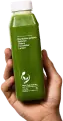
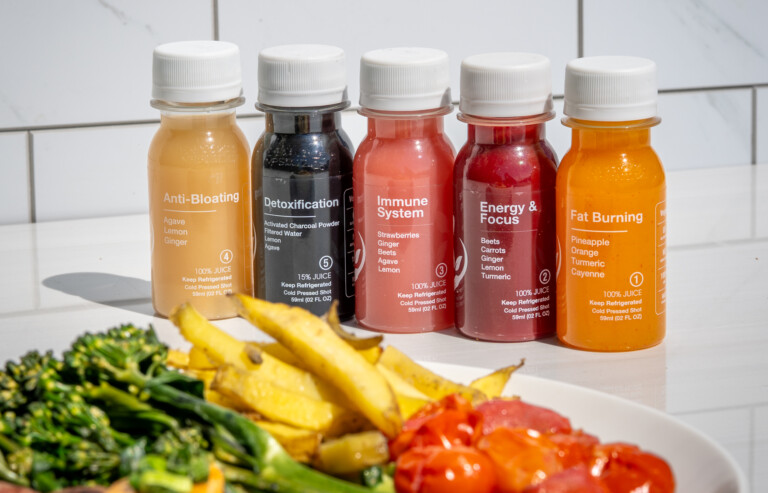
While packaging protects the quality of meals, performance-focused nutrition often requires additional support. That’s where fat-burning shots, supplements, and cold-pressed juices come into play.
Each of these elements serves a specific purpose:
When combined with MAP-packaged meals, these additions create a layered nutrition system. Instead of relying on a single source, the body receives consistent support across meals, recovery, and performance.
Consequently, individuals can improve not only fat loss outcomes, but also energy levels, focus, and recovery speed.
Sustainability and Smarter Packaging
In addition to performance and freshness, packaging decisions also impact the environment. As meal prep continues to grow, sustainability becomes an increasingly important factor.
Meal Prep Sunday incorporates systems designed to reduce waste while maintaining quality. For example, insulated delivery bags are reusable, helping minimize single-use materials.
Additionally, efficient portioning reduces food waste — one of the largest contributors to environmental impact in the food industry. By delivering exactly what is needed, fewer ingredients go unused.
For a deeper look into these efforts, visit the sustainability page to learn how packaging, sourcing, and logistics work together to create a more responsible system.
Why the Science Behind Packaging Matters
At first glance, packaging may seem like a minor detail. However, as the science shows, it directly influences nutrition, safety, taste, and consistency.
Without proper packaging:
- Nutrients degrade faster
- Food spoils more quickly
- Texture and flavor decline
- Consistency becomes difficult to maintain
With MAP packaging, those problems are addressed at the source. Instead of reacting to spoilage, the system prevents it from happening in the first place.
Take the Next Step Toward Fresh Nutrition
Whether your goal is fat loss, muscle recovery, or sustained energy, the quality of your meals depends on more than just ingredients. Packaging plays a critical role in delivering results.
By combining MAP packaging, chef-crafted meals, and performance-focused nutrition tools like shots, supplements, and juices, Meal Prep Sunday provides a system designed for consistency and results.
Explore more:
For those looking to simplify nutrition while maximizing performance, understanding the science behind meal prep containers is the first step toward building a routine that actually works.