Many consumers evaluating meal prep services focus first on meal pricing. However, delivery costs often become one of the biggest factors influencing the final purchasing decision. A meal package that initially appears affordable can quickly become much more expensive once shipping fees, service charges, and hidden costs are added at checkout.
This has become especially common within prepared meal delivery. Many national providers rely on third-party carriers, frozen shipping methods, and distance-based pricing models that increase costs depending on location and order size.
For customers throughout Los Angeles, Orange County, Riverside, San Diego, and surrounding Southern California communities, understanding meal prep delivery costs provides a clearer picture of overall value. Looking beyond meal pricing alone helps customers make more informed decisions.
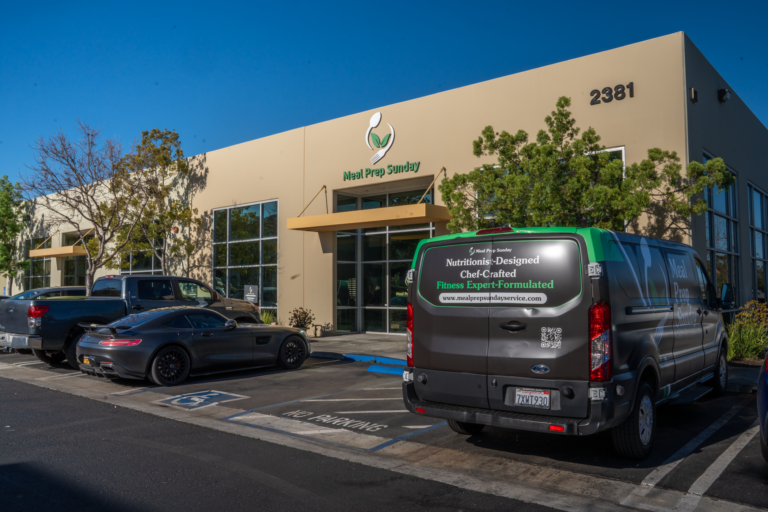
Meal Prep Sunday approaches delivery differently by integrating logistics directly into its operating model. Instead of treating shipping as a separate premium service, the company provides free delivery throughout Southern California. At the same time, it maintains refrigerated transportation, temperature-controlled handling, and consistent weekly delivery schedules.
Why Delivery Costs Matter More Than Most Customers Realize
Delivery fees influence more than the final checkout total. They also shape purchasing behavior, subscription retention, and how customers perceive value over time.
A small shipping fee may seem insignificant on a single order. However, recurring delivery charges can add up quickly for customers who use meal prep as part of a long-term nutrition strategy.
For example, a weekly delivery fee can add hundreds of dollars each year for someone ordering consistently. This becomes especially important for fitness-focused individuals who rely on prepared meals as part of their regular routine instead of an occasional convenience purchase.
When delivery fees increase unpredictably, maintaining consistency becomes more difficult. Customers may reduce how often they order, purchase fewer meals than planned, or return to less structured eating habits to avoid additional costs. Transparent pricing removes these barriers before they affect long-term adherence.
Why Some Meal Delivery Services Charge High Shipping Fees
Several factors contribute to higher shipping costs within the prepared meal industry.
Many national meal delivery companies rely on frozen transportation methods. These systems require insulated packaging, dry ice, expedited shipping, and long-distance logistics networks. While this allows companies to serve customers nationwide, it also creates significant operational expenses that often pass directly to consumers.
Distance also influences pricing. Shipping meals across multiple states requires additional handling, longer transit times, and more complex distribution systems than regional delivery operations. In some cases, customers do not see shipping charges until the final stages of checkout. This can create frustration and make price comparisons more difficult.
Although these approaches support broad geographic coverage, they can make long-term meal prep considerably more expensive than customers initially expect.
The Difference Between Shipping and Local Delivery
Shipping and delivery are often discussed interchangeably, but they operate very differently.
Traditional shipping typically relies on third-party carriers that transport products through large distribution networks over several days. Prepared meals also require specialized packaging and preservation methods to maintain quality during transit.
Local delivery follows a more direct process. Meals travel from the kitchen to customers through shorter transportation routes and more controlled handling environments. This reduces transit times while improving oversight of freshness, temperature control, and delivery consistency.
For refrigerated meal services, shorter delivery distances help maintain product quality. They also reduce many of the costs associated with national shipping models. This regional approach allows companies to invest more resources into meal quality and customer experience instead of long-distance logistics.
Why Free Delivery Can Improve Long-Term Consistency
Convenience plays an important role in nutrition adherence. Affordability, however, often determines whether that convenience remains sustainable over time.
Unexpected fees create friction during the purchasing process. When customers repeatedly evaluate whether delivery charges justify another order, consistency can begin to suffer.
Nutrition systems work best when healthy choices become easier to repeat rather than harder to justify financially. Free delivery simplifies that decision by creating predictable costs. It also removes concerns about fluctuating transportation fees, fuel surcharges, and location-based pricing adjustments.
This predictability becomes especially valuable for clients using meal prep as part of an ongoing fitness strategy rather than a temporary solution. Removing barriers improves consistency, and consistency remains one of the strongest contributors to long-term nutrition success.
The Hidden Value Behind Delivery Infrastructure
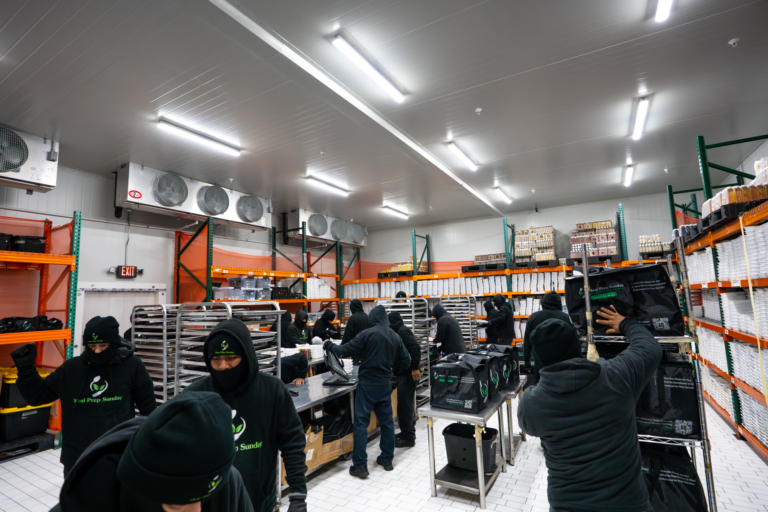
Delivery involves much more than transporting meals from one location to another. Maintaining meal quality requires coordination between production schedules, refrigeration systems, packaging technology, route planning, and delivery timing. Every stage of the process influences whether meals arrive in the same condition they left the kitchen.
For fresh meal prep companies, delivery infrastructure becomes an extension of the food preparation process. It is not simply a separate operational function. Temperature management protects ingredient quality, scheduling improves reliability, and efficient routing reduces delays while preserving freshness throughout transit.
These operational details often remain invisible to customers. However, they directly influence the overall experience. Meals that arrive consistently and maintain their quality throughout the week create a stronger foundation for long-term nutritional consistency.
The strongest meal delivery systems recognize that logistics are part of the product itself. Delivery is not simply the final step. It helps ensure the nutritional value created in the kitchen reaches the customer exactly as intended.
How Meal Prep Sunday Keeps Delivery Affordable
Meal Prep Sunday built its operating model around regional delivery throughout Southern California. By focusing on Los Angeles, Orange County, Riverside, San Diego, and surrounding communities, the company maintains shorter delivery routes. This provides greater control over transportation quality while avoiding many of the costs associated with nationwide frozen shipping networks.
This localized approach supports free delivery without sacrificing freshness. Meals arrive refrigerated rather than frozen. They travel through temperature-controlled transportation systems designed to preserve quality throughout the delivery process.
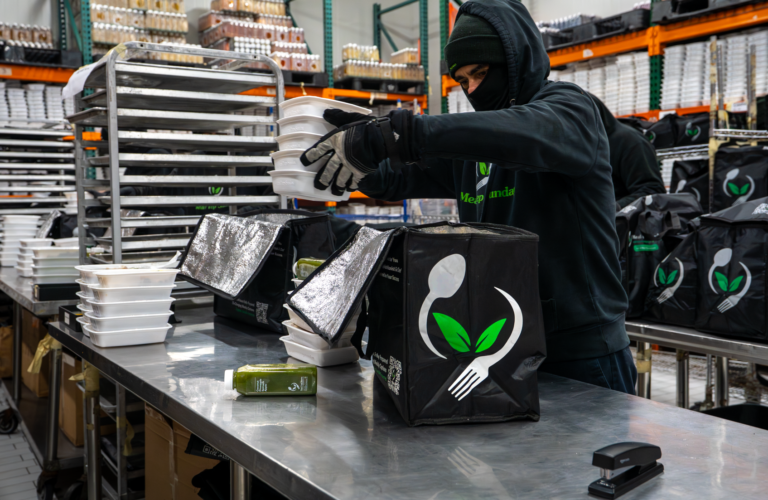
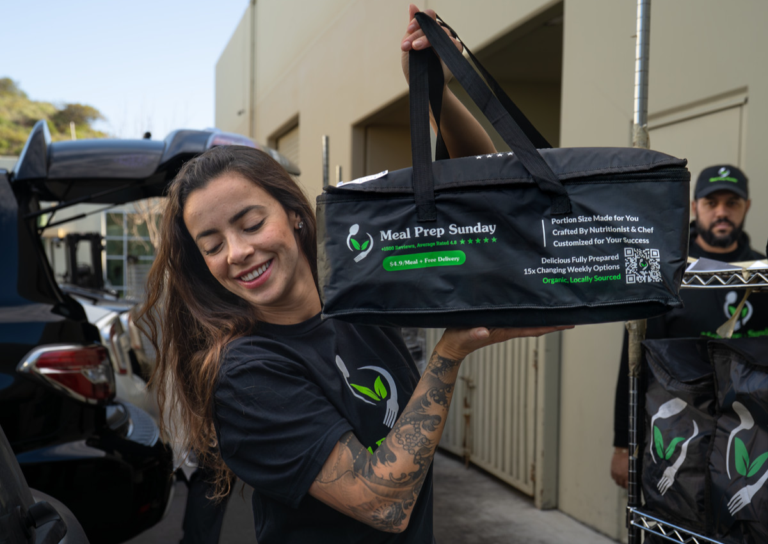
Orders arrive in insulated thermal delivery bags with ice packs that help maintain safe temperatures during transportation and delivery windows. Combined with refrigerated transportation and MAP freshness technology, these systems help preserve meal quality from preparation through final delivery.
Because logistics operate as part of the company’s internal process, Meal Prep Sunday focuses on operational efficiency instead of passing additional shipping expenses directly to customers.
Transparent Pricing Creates Better Customer Experiences
One of the biggest frustrations consumers experience with online ordering is unexpected pricing changes during checkout. Additional charges make comparisons more difficult and often create uncertainty around long-term affordability.
Transparent pricing removes much of this confusion. Customers can evaluate the complete value of the service without accounting for changing delivery costs, location surcharges, or hidden fees that appear late in the purchasing process.
For meal prep services designed around weekly ordering habits, pricing clarity becomes an important part of the customer experience. The easier pricing becomes to understand, the easier it becomes for customers to budget, plan ahead, and maintain consistency with their nutrition goals.
Value Extends Beyond the Cost of Delivery
The value of meal prep delivery extends beyond whether shipping is free. It also includes the time saved from grocery shopping, cooking, portioning meals, cleaning dishes, and making repeated food decisions throughout the week.
For many clients, meal prep replaces several hours of preparation while reducing reliance on takeout or convenience foods that may not support their goals. That time savings creates additional value by allowing individuals to focus more energy on work, family responsibilities, recovery, and training.
Viewed from this perspective, delivery becomes part of a larger system designed to improve efficiency, consistency, and adherence. The conversation shifts away from transportation costs alone and toward the value of removing friction from healthy eating.
How Meal Prep Sunday Builds Value Into Every Delivery
Meal Prep Sunday approaches delivery as part of a larger fitness support system rather than simply transporting food from one location to another.
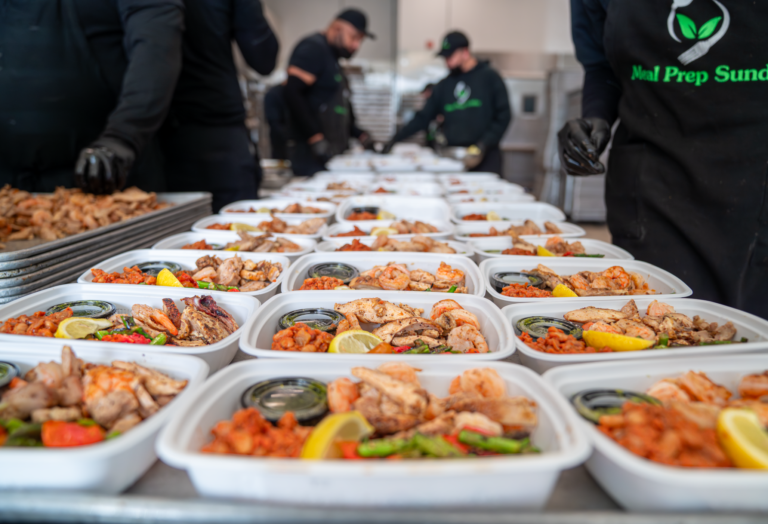
Chef-crafted meals, nutrition-focused planning, refrigerated transportation, temperature-controlled handling, insulated packaging, and weekly delivery schedules all contribute to a reliable experience. The process begins with chefs and nutrition professionals designing meals that support consistency and performance. It then extends through packaging, logistics, and final delivery to ensure every meal arrives as intended.
Beyond meals, clients also gain access to fitness tools and training support that align nutrition with broader health and performance goals. This integrated approach allows convenience and results to reinforce one another.
For clients throughout Los Angeles, Orange County, Riverside, San Diego, and across Southern California, that combination creates value that extends far beyond shipping alone.
The Real Cost of Nutrition Convenience
The best meal prep delivery systems do more than reduce cooking time. They reduce uncertainty, simplify decision-making, and make healthy eating easier to maintain over the long term.
Meal Prep Sunday supports that process by combining transparent pricing, free Southern California delivery, fresh refrigerated meals, and a fitness-focused nutrition system designed around consistency. Meals arrive ready to eat and aligned with broader health and performance goals. This allows convenience and results to work together rather than compete with one another.
When delivery becomes predictable and pricing remains transparent, healthy eating becomes easier to sustain. Convenience stops being an expense and becomes an investment in long-term success.