The conversation around meal prep has traditionally focused on nutrition, convenience, and consistency. As prepared meal services continue to grow, however, another factor has become increasingly important: how those meals are packaged, transported, and preserved throughout the delivery process.
Sustainable meal prep is no longer limited to the ingredients inside the container. It also includes the systems that protect those ingredients, maintain freshness, reduce waste, and improve the overall efficiency of food delivery.
For individuals searching for prepared meals throughout Encinitas, Santa Monica, Irvine, and surrounding Southern California communities, packaging has become an important consideration alongside macros, ingredient quality, and convenience.
The challenge lies in balancing multiple priorities simultaneously. Meals require protection during transportation, freshness preservation throughout the week, food-safe materials for storage and reheating, and a more responsible approach to environmental impact.
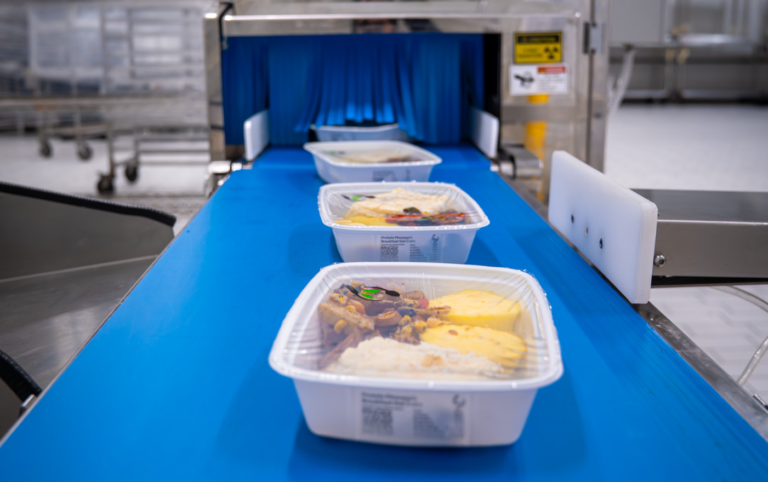
Meal Prep Sunday approaches this challenge through recyclable, BPA-free packaging combined with Modified Atmosphere Packaging (MAP) technology that helps preserve freshness while supporting a more sustainable approach to prepared nutrition.
Why Sustainable Packaging Matters in Meal Prep
Packaging plays a much larger role in meal delivery than simply holding food.
Prepared meals travel from the kitchen to the customer while moving through preparation, transportation, refrigeration, storage, and reheating. Throughout that process, packaging becomes responsible for protecting food quality, maintaining safety, and preserving the experience the chefs originally intended.
At the same time, consumers have become increasingly aware of the environmental impact associated with single-use materials and food waste. People want convenient solutions, but they also want those solutions to align with more responsible practices.
This creates competing priorities for meal preparation companies.
Packaging needs to remain durable enough to protect meals during transportation while using materials responsibly. It needs to support food quality without creating unnecessary waste. Most importantly, it needs to contribute to a system that works effectively from preparation to consumption.
Sustainable meal prep focuses on finding that balance.
The goal is not simply to use less packaging. The goal is to use packaging intentionally by protecting meals, reducing avoidable waste, and creating a better overall experience for the customer.
The Role of Packaging in Fresh Meal Delivery
Fresh meal delivery requires much more than preparing high-quality food.
Once a meal leaves the kitchen, packaging becomes one of the most important factors influencing how that meal performs throughout transportation and storage.
Temperature fluctuations, oxygen exposure, moisture changes, and physical handling during delivery all influence freshness. Without proper protection, ingredients lose texture, flavors become muted, and meals may deliver a completely different experience several days after preparation.
This is why packaging systems matter so much in refrigerated meal delivery.
A well-designed meal container protects ingredients, maintains portion integrity, and supports a consistent eating experience from the first meal of the week to the last.
For fresh meal services, packaging acts as a bridge between preparation and consumption. The quality created inside the kitchen should continue long after the meal leaves the production facility.
What Does BPA-Free Packaging Mean?
One of the most common consumer concerns surrounding food packaging involves the materials that come into contact with meals during storage and reheating.
BPA, or bisphenol A, is a chemical historically used in certain plastics and resins. Over time, consumer awareness surrounding food-contact materials has encouraged many manufacturers to transition toward BPA-free alternatives.
Today, BPA-free packaging has become an expectation for many consumers who store prepared meals for several days before consumption.
For meal prep companies, this consideration becomes especially important because customers often refrigerate meals throughout the week while reheating them directly in their containers.
Using BPA-free materials helps support greater confidence in food safety while aligning with modern expectations around quality and responsible packaging choices.
How Recyclable Packaging Supports a More Sustainable Approach
Recyclable packaging represents one part of a larger sustainability conversation.
Traditional meal delivery can generate concerns around waste because every prepared meal requires containers, lids, insulation materials, and transportation packaging.
While these materials remain necessary to maintain food quality and safety, selecting recyclable materials helps create a more responsible process.
Recyclable packaging allows materials to potentially re-enter manufacturing cycles rather than immediately becoming waste after a single use.
However, sustainability involves much more than simply choosing recyclable materials.
Effective meal packaging systems also consider:
- Using only the materials necessary to protect meals properly
- Reducing unnecessary packaging layers
- Selecting durable materials that preserve food quality
- Designing packaging that consumers can realistically recycle
- Supporting freshness to help reduce food waste
This broader perspective transforms sustainability from a packaging decision into a systems decision.
How MAP Technology Helps Preserve Freshness
Freshness remains one of the biggest challenges in prepared meal delivery.
Meals need protection from oxygen exposure because oxygen contributes to texture loss, flavor degradation, and quality changes over time. Even high-quality ingredients can decline quickly without proper preservation methods.
Modified Atmosphere Packaging (MAP) technology helps address this challenge by controlling the environment inside the sealed meal container.
Rather than relying exclusively on freezing methods, MAP adjusts the atmosphere surrounding the food to help slow quality degradation while maintaining refrigerated freshness.
This technology helps support:
- Better texture retention
- Improved flavor preservation
- Longer refrigerated freshness
- Greater consistency throughout the week
- Reduced quality loss after preparation
MAP technology represents an important advancement because it allows meal services to prioritize fresh refrigerated meals while still maintaining quality throughout the delivery cycle.
For consumers, this means meals can maintain a more freshly prepared experience without sacrificing convenience.
Why Freshness and Sustainability Work Together
At first glance, freshness and sustainability may appear to be separate goals.
In reality, they are closely connected.
Food waste remains one of the largest contributors to inefficiency throughout the food industry. Meals that lose quality quickly are more likely to be discarded, replaced with alternative options, or forgotten in the refrigerator altogether.
From a sustainability perspective, the most environmentally responsible meal is often the one that actually gets consumed.
Packaging systems that help preserve freshness contribute directly to reducing unnecessary waste by extending the usable life of prepared meals.
When meals maintain their quality throughout the week, customers are more likely to eat them as planned rather than replacing them with takeout or disposing of them prematurely.
Sustainable meal prep therefore extends beyond recyclable materials alone.
It also includes systems that maximize the value of the food itself.
The Importance of Balancing Convenience and Environmental Responsibility
Many consumers feel forced to choose between convenience and sustainability.
Cooking every meal at home may reduce certain forms of packaging waste, but it also requires significant time, planning, shopping, preparation, and cleanup. For busy professionals, athletes, parents, and families, maintaining that level of preparation every day often becomes unrealistic.
Prepared meal services provide another option.
The opportunity lies in creating systems that deliver convenience while making thoughtful decisions about ingredients, preservation methods, and packaging materials.
Sustainable meal prep does not reject convenience.
Instead, it focuses on improving how convenience is delivered.
The goal is optimization rather than extremes: protecting freshness, supporting nutrition goals, and reducing unnecessary waste without sacrificing practicality.
How Meal Prep Sunday Builds a More Thoughtful Meal Delivery System
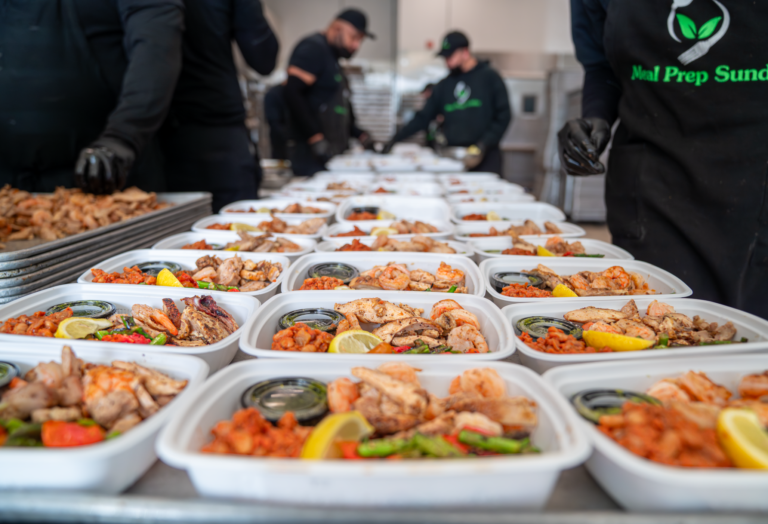
Meal Prep Sunday approaches meal preparation as a complete system rather than focusing solely on the final product.
Every stage matters, from ingredient sourcing and recipe development to preparation, packaging, preservation, and delivery logistics.
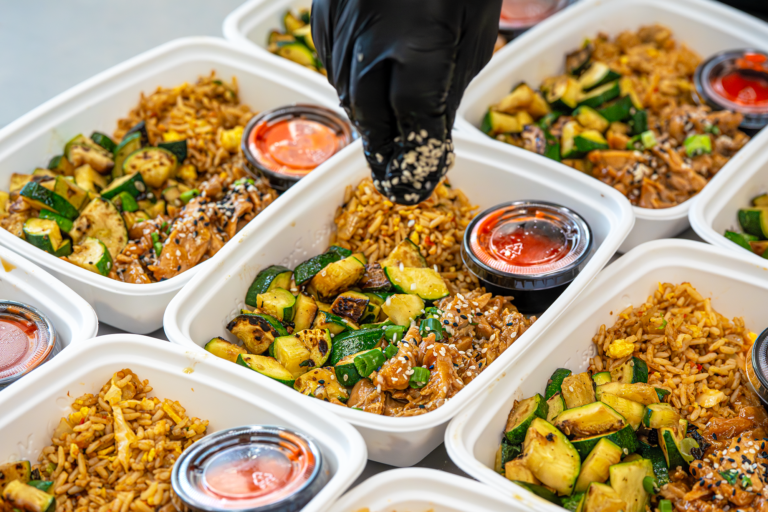
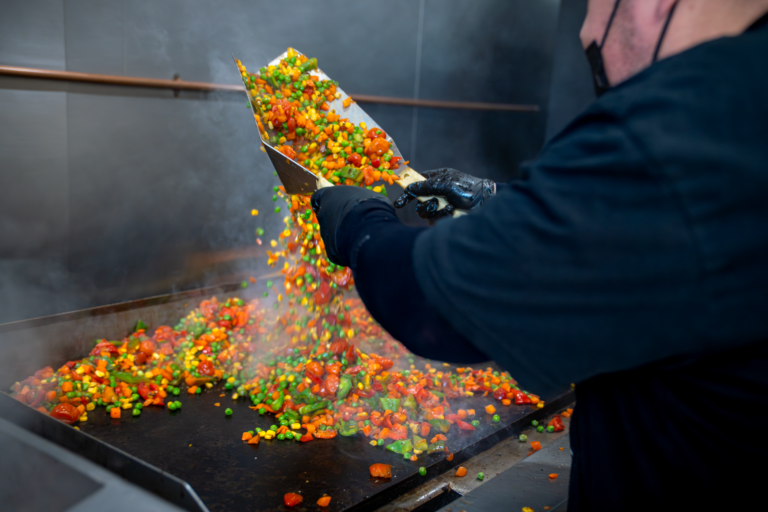
In-house chefs prepare meals designed for flavor and consistency, while nutritionists structure meals around macro targets and performance goals. MAP technology helps maintain freshness, and recyclable BPA-free packaging protects meal quality throughout the delivery process.
Freshness preservation also continues beyond packaging. Orders arrive in insulated thermal delivery bags with ice packs to help maintain refrigeration temperatures during transportation and final delivery. Combined with temperature-controlled logistics and proper refrigeration after arrival, these systems help protect food quality from the kitchen to the customer.
This approach reflects a broader view of sustainability. The goal is not simply to eliminate materials, but to use thoughtful solutions that preserve food quality, reduce unnecessary waste, and create a more efficient meal delivery experience.
For clients throughout Encinitas, Santa Monica, Irvine, and across Southern California, this creates a meal delivery system that balances nutrition, convenience, freshness, and environmental responsibility.
Creating a More Sustainable Future for Prepared Meals
Sustainable meal prep requires more than a single decision or material choice.
It requires a complete process that considers food quality, packaging efficiency, freshness preservation, transportation, customer behavior, and environmental responsibility simultaneously.
Recyclable materials, BPA-free packaging, and MAP technology each play an important role, but they deliver the greatest value when they work together as part of a larger system.
As prepared meal services continue to evolve, consumers will increasingly evaluate companies not only on convenience and nutrition but also on how intelligently they manage freshness, food waste, logistics, and sustainability.
The future of meal prep is not simply about making healthy eating easier.
It is about creating systems that preserve quality, support healthier lifestyles, reduce unnecessary waste, and make more thoughtful choices possible throughout the entire process.